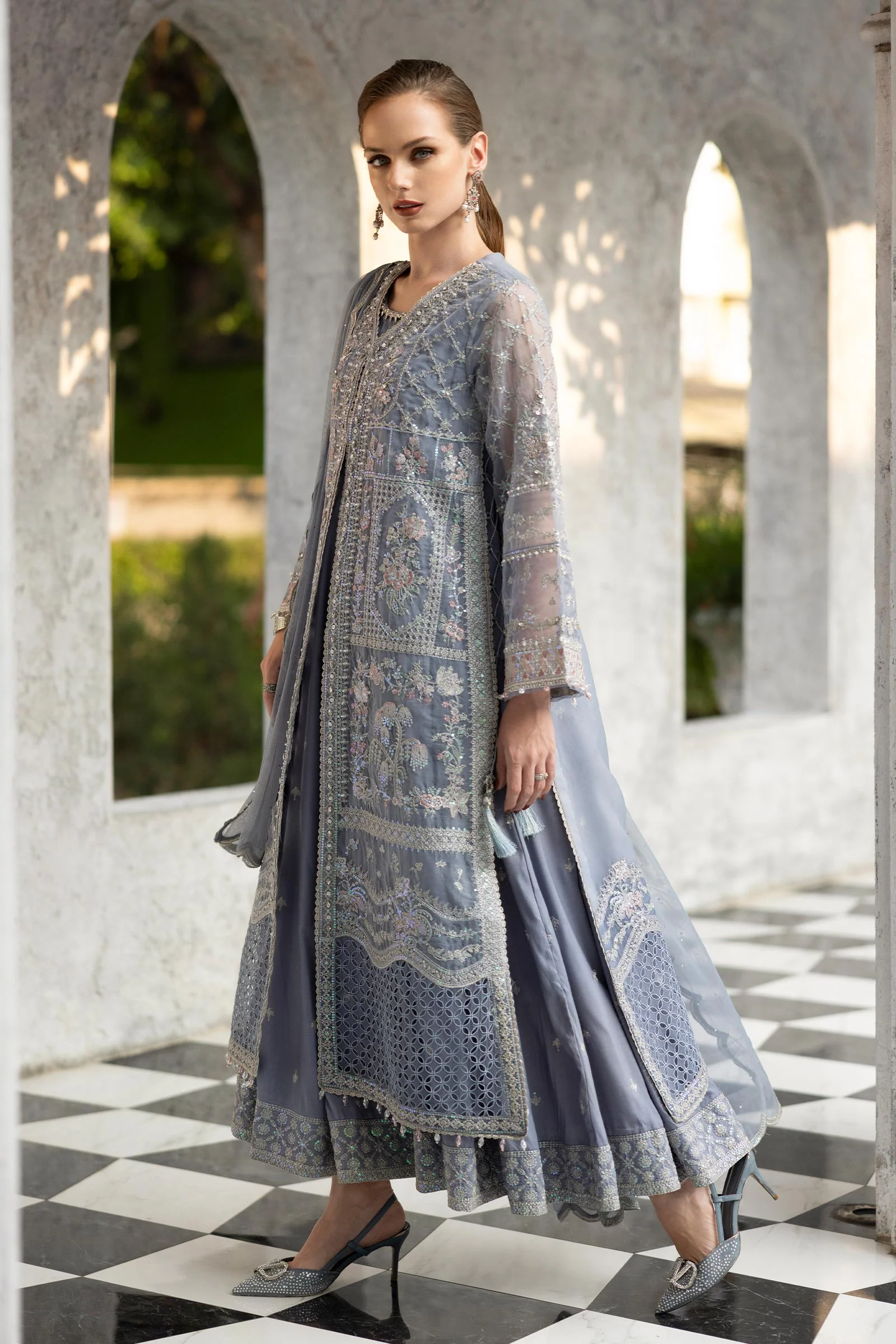
A magazine spread, a runway photograph, or a celebrity street-style picture can make a designer look settled before you have tried it on anyone, including yourself. The person in the picture already carries the clothes well. That is why the image works. It is also why it is a weak guide for a shopping decision.
This is a fashion habit, not a packing list and not a review of clothes already hanging in the closet. The aim is modest. Before you shop a designer or editorial look, see how that combination appears on your own picture.
The photograph in the magazine is already doing a different job
Editorial images are built to persuade. Lighting, tailoring, a model’s proportions, and a stylist’s adjustments all help the look hold together on the page. A celebrity photograph is often taken after the outfit has been chosen and fitted with care. None of that answers the quieter question of how the same idea will look on you.
Color is a common surprise. A shade that looks rich on a campaign image can flatten or overwhelm once it is near your own skin and hair. Proportion is another. A jacket that reads as sharp on a runway body may look heavy or unfinished on a different frame.
Shopping from the image alone asks the photograph to do work it was never meant to do. The image can show you what attracted you. It cannot show you the look on your own picture.
Choose the look as a combination, not as a mood
Before you reach for a preview, name the pieces you are actually considering. “That designer look” is too broad. A jacket, a dress, a pair of trousers, or a knit that would carry the outfit is a decision you can test. If the editorial depends on a precise proportion or color, keep those elements in view.
You do not need to copy a styled photograph item for item. That often leads to a shopping list that only worked on someone else. Pull out the part of the look you would actually wear, and be honest about the setting: a dinner, a work event, or a weekend occasion is a different test from a runway or a campaign.
Take a straightforward photograph of yourself in a simple base layer or in the closest pieces you already own, standing in honest light, without a heavy filter. This is not a portrait for anyone else. It is a reference so the designer idea can be judged on you, not only on the page.
See the editorial idea on your own picture before you shop
A magazine photograph is still useful. It tells you what caught your attention. A second picture, of you, can tell you whether that attention should turn into a purchase.
You can check a designer look on your own picture before you shop and treat the result as a first look, not as a verdict. AI Virtual Try-On is a browser tool for previewing clothes and outfits, and similar apparel looks, on a photo of you. It is a preview. It is not a substitute for a fitting room, and it is not a size guarantee. It will not tell you how a fabric feels, how a seam behaves when you sit, or whether a color that looks fine on a screen will hold up in the light where you would actually wear the clothes.
Use the preview for questions a shopping decision actually raises: does this combination still look balanced on you, does one piece overwhelm the rest, or does a designer idea that seemed inevitable in a magazine look less convincing once it is on your own picture?
Read the preview as a first impression, not as a fitting
A useful preview can still be wrong in small ways. A poor source photo, a bent elbow that hides a hem, or a shadow across the torso can make an ordinary garment look stranger than it is. Adjust the photo, or go back to the magazine image and ask whether the doubt is in the look or in the picture.
Look at the whole person in the photograph, not only at the designer piece that attracted you. Editorial clothes often fail at the junctions: a jacket over a dress that needs a different length, a trouser that looked sharp on a runway and now feels bulky, or a color styled against a different complexion. If something is off, decide whether the fix is a different piece, a simpler version of the same idea, or no purchase at all because the original photograph was doing most of the work.
Keep practical limits in view. The tool cannot promise accuracy, and a preview cannot replace the feel of fabric, the ease of movement, or a real fitting. If a look only works as a styled image, that is useful information. It is not a reason to shop as if the preview had already settled the matter.
Let the preview change what you buy, or what you leave
The point of the check is not to talk yourself into the purchase. The point is to separate a look you still want to try from a look that was only compelling on someone else.
If the preview leaves the combination feeling heavy, formal, or simply unlike you, you can walk away before you spend. If it still looks promising, you can shop with a clearer brief: the garment, the color, and the occasion you had in mind. You will still need a real fitting, and you may still return the piece. What you should not have to do is discover, after the purchase, that you had only ever seen the look on a celebrity or a runway model.
Keep the shopping decision attached to you
A designer or magazine look does not need to be rejected because it first appeared on someone else. It only needs a second look on your own picture before you treat it as yours to buy. A preview can help, as long as you treat it as a look at the clothes on you and not as a promise about fit, comfort, or style success.
If the preview leaves you unsure, choose the simpler version of the idea, wait for a real fitting, or leave the look on the page where it already works. The useful end of the habit is not a closet full of editorial copies. It is a shopping decision you have already seen on yourself.